
Introduction
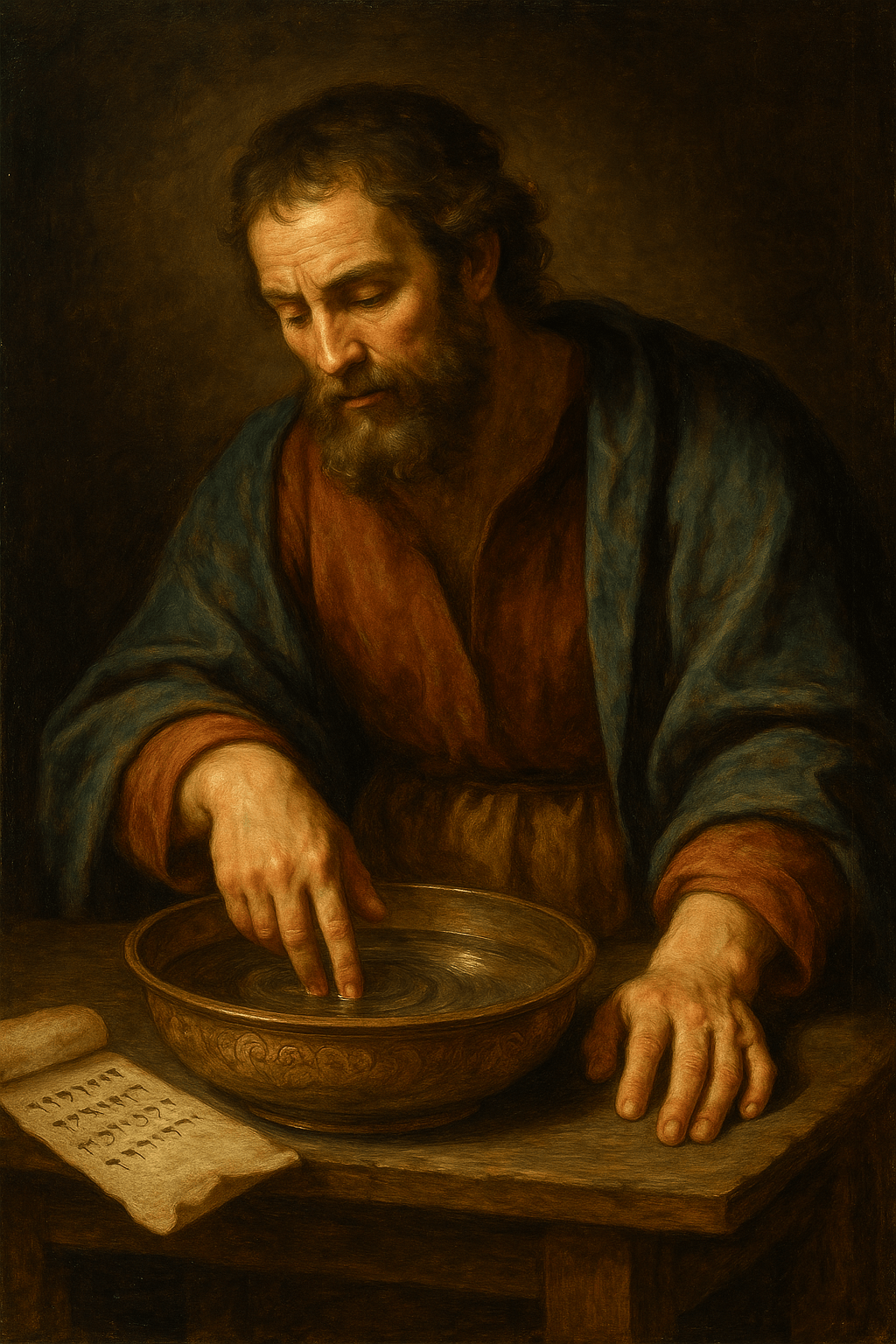
The enigmatic statement in Genesis 44:5 — “Is it not from this cup that my lord drinks and by which he practices divination?” — raises an important theological and scholarly question. How can Joseph, a figure regarded as righteous and divinely favored, seemingly engage in an act that is later explicitly condemned by Mosaic law (Leviticus 19:26, Deuteronomy 18:10)?
I. Joseph and the Biblical Context
Throughout Genesis, Joseph is depicted as a man endowed with divine insight. In Genesis 41:16, when Pharaoh asks Joseph to interpret his dreams, Joseph replies, “It is not in me; God will give Pharaoh a favorable answer.”His consistent attribution of wisdom and revelation to God establishes the foundation for interpreting any suggestion of “divination” within the Egyptian setting.
II. Jewish Interpretations
Rashi, Nachmanides, and the Midrash Tanchuma all argue that Joseph maintained an appearance of divination for strategic purposes, relying solely on divine inspiration. Rashi comments that Joseph spoke according to Egyptian understanding, while Nachmanides and the Midrash stress divine revelation rather than actual magical practices.
III. Second Temple Period Thought and the Dead Sea Scrolls
In the Qumran community, it was believed that knowledge of hidden things came through the Spirit of Truth, not sorcery. Practices like the Urim and Thummim are examples where God-sanctioned methods revealed divine will without sin.
IV. Christian Interpretations
Origen and Augustine emphasized that Joseph’s ability stemmed from divine wisdom rather than forbidden arts. Augustine notes in ‘The City of God’ that Joseph’s revelations were acts of the Spirit of God, not demonic forces.
V. Catholic Teaching on Divination and Astrology
The Catholic Church condemns divination invoking spiritual powers other than God but recognizes that predictive study of natural phenomena (astrology in weather, agriculture) was at times tolerated. Thomas Aquinas and the Council of Trent help clarify these distinctions.
VI. Broader Theological Implications
Joseph’s portrayal is ultimately positive: a model of righteousness, wisdom, and divine favor operating within but not succumbing to foreign cultural expectations.
Conclusion
A review of Jewish, Christian, and Catholic thought confirms that Joseph did not sin by practicing divination but was a vessel of God’s revelation. His strategic conduct preserved his divine mission among the Egyptians.
References
Holy Bible, English Standard Version (ESV) / New Revised Standard Version (NRSV)
Rashi Commentary on Genesis 44:5
Midrash Tanchuma (Vayigash 5)
Ramban (Nachmanides) Commentary on Genesis
Origen, Homilies on Genesis
Augustine of Hippo, The City of God, Book XVIII
Community Rule (1QS XI), Dead Sea Scrolls
Thomas Aquinas, Summa Theologiae, I, Q. 115
Catechism of the Catholic Church (§2115–2117)
Council of Trent Decrees
Secondary Sources: Kugel, James. The Bible As It Was; Vermes, Geza. The Complete Dead Sea Scrolls in English; Harrington, Daniel J. The Jewish Annotated New Testament
 Priestess of Shau
Leave a comment